What Changes When You Take Barefoot Shoes Into Cold and Wet Weather
Quick Answer: Cold ground pulls heat through a thin sole quickly, and cold feet lose the sensory feedback that barefoot shoes exist to provide - which means the transition benefits stall in winter. Add a wool sock, size up to allow for it, and expect to slow the transition rather than pause it. Wet conditions matter more than cold: a soaked thin sole loses grip and warmth simultaneously, so a water-resistant winter pair is the one genuinely worthwhile addition.
You spent the summer building up to minimalist shoes and it was going well. Now it is 45F and damp, and your feet are numb by the end of a walk.
That numbness is not just discomfort - it is removing the exact feedback the shoes are supposed to deliver.
Why does cold undermine the whole point of barefoot shoes?
Because the benefit depends on sensory feedback from the sole of your foot, and cold reduces that feedback substantially.
The case for minimalist footwear rests on proprioception - the nerve endings in the sole detecting the ground and informing how your foot lands, how your arch responds, and how your ankle stabilizes. A thin sole preserves that information; a thick cushioned sole attenuates it.
Cold degrades exactly that channel. As foot temperature drops, tactile sensitivity and nerve conduction slow measurably. The information still arrives, but less of it and later.
The consequence is that walking in cold-numbed feet in minimalist shoes gives you the reduced protection of a thin sole without the feedback benefit that justifies it. That is the worst of both.
This is why the sensible winter approach is warmth first, thinness second - a warm foot in a slightly thicker shoe gives better feedback than a numb foot in the thinnest sole available.
Socks, sizing, and the mistake people make
A wool sock is the single most effective change, and it requires planning ahead on sizing.
Merino wool outperforms cotton substantially here: it insulates when damp, manages moisture, and adds meaningful warmth for very little thickness. Cotton socks in cold wet conditions are actively counterproductive - once damp they stay damp and conduct heat away from the foot.
The sizing problem is real. Barefoot shoes are fitted to allow toe splay, and a thick sock eats exactly the space that splay needs. Cramming a winter sock into a summer-fitted minimalist shoe recreates the toe compression these shoes were bought to avoid.
Two workable solutions:
- Size up specifically for winter, keeping a dedicated cold-weather pair with room for a wool sock.
- Use thinner merino socks - a good 200-weight merino sock is warmer than a much thicker cotton one at a fraction of the bulk.
Check toe splay with the winter sock on. If your toes cannot spread, the setup is wrong regardless of how warm it is.
Why wet matters more than cold
Cold is manageable. Wet plus cold is where minimalist footwear genuinely struggles.
A thin sole that has soaked through loses two things at once. Warmth goes immediately - water conducts heat away roughly 25 times faster than air. And grip changes unpredictably, since many minimalist outsoles are optimized for ground feel rather than for wet traction.
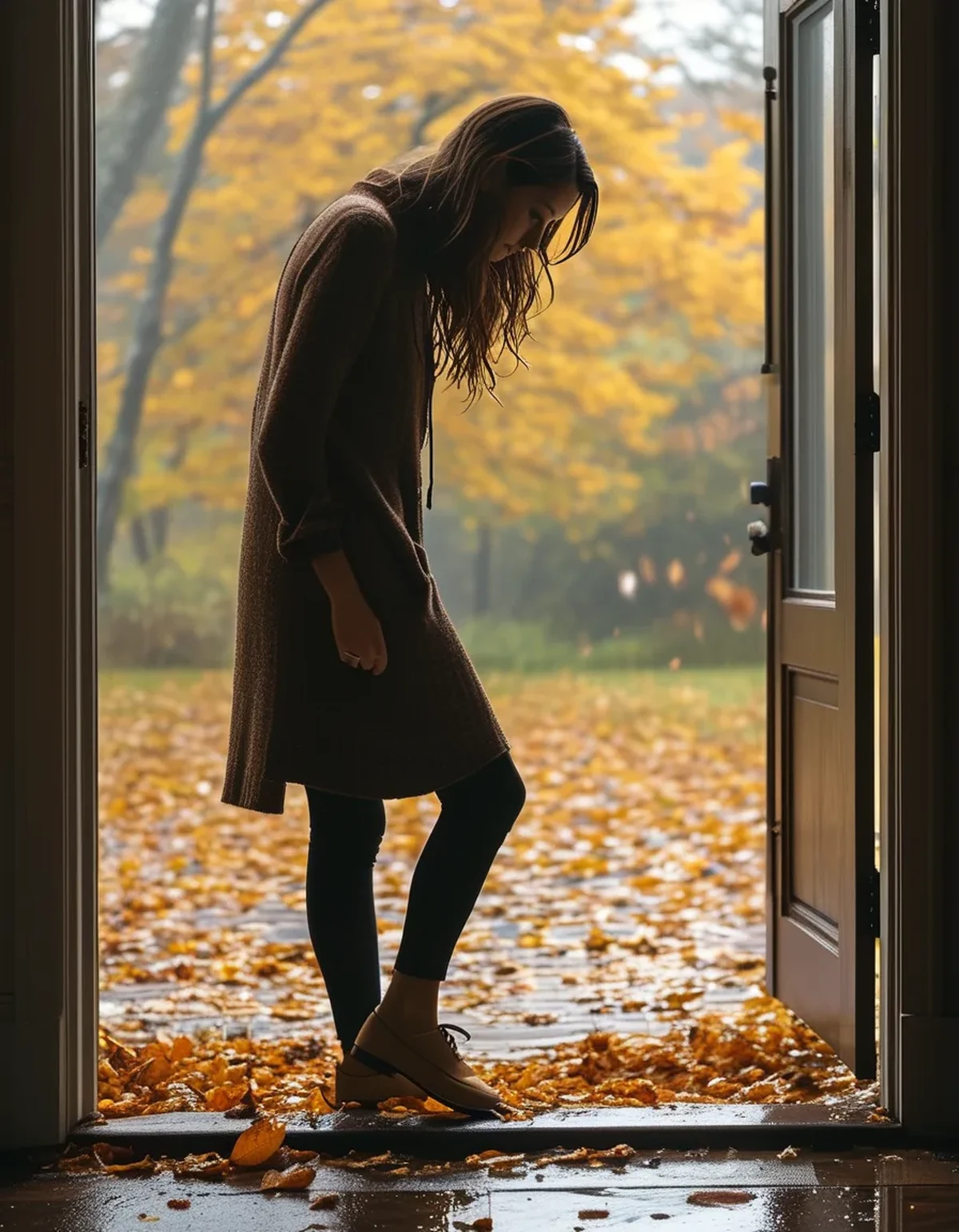
Autumn compounds this: wet leaves on pavement are one of the more slippery surfaces you will encounter, and a thin flexible sole with a low-profile tread is not the ideal tool for it.
The practical answer is a dedicated wet-weather pair. Most minimalist brands now make water-resistant versions with slightly more aggressive tread that keep the wide toe box and zero drop while adding a membrane and a usable outsole. It is the one purchase in this category that genuinely earns its cost.
If you only have summer minimalist shoes, wet days are reasonable days to wear something else. That is not abandoning the transition.
What Nobody Tells You About the Winter Transition
The transition slows down in winter, and that is expected. Adaptation of foot muscles, tendons, and the plantar fascia is a slow process at the best of times, and it is slower when tissue is cold and stiff. Holding your current volume through winter and progressing again in spring is a perfectly good plan.
Cold tissue is less compliant, which raises injury risk. The calf and Achilles take on more load in zero-drop footwear, and both are less elastic when cold. If you are still in the transition phase, longer warm-ups matter more in winter than at any other time.
Indoor time is genuinely useful. Being barefoot at home, or in minimalist shoes indoors, continues the adaptation without the cold and wet variables. Many people make more progress over winter indoors than they expect.
Numb feet mask problems. With reduced sensation you may not notice a stone bruise, a hot spot, or an early blister until it is significant. Check your feet after cold walks, particularly during the transition.
Toe warmth is mostly a sizing issue, not an insulation issue. Toes get cold when they are compressed, because compression restricts circulation. If your toes are cold and the rest of the foot is fine, the shoe is probably too tight with the winter sock in it.
FAQ: Barefoot Shoes in Winter Questions, Answered
Should I just pause the transition until spring?
Not necessary for most people, but slowing it is sensible. Hold your current weekly volume rather than increasing it, keep some indoor barefoot time, and resume progression when the weather warms. What is genuinely unwise is pushing to longer distances in cold wet conditions while still adapting.
Are insulated barefoot shoes a contradiction?
Somewhat - insulation adds material between foot and ground, which reduces ground feel. But a moderately insulated minimalist shoe still has a far thinner and more flexible sole, a wide toe box, and zero drop, which is most of the benefit. It is a reasonable trade for three or four months.
What about ice and snow?
This is where minimalist shoes are least suitable. Thin flexible soles with low tread offer poor traction on ice, and there is little thermal protection. For genuine winter conditions, most people switch to a proper winter boot and accept the interruption - ideally one with a wide toe box, which is increasingly available.
Do toe socks work with barefoot shoes?
Many people like them, since they maintain toe separation and splay. Merino toe socks exist and are the warmest version of the idea. The main drawback is that they are thinner than equivalent regular socks, so they are a shoulder-season option rather than a deep-winter one. This is general information, not medical advice.
TL;DR:
- Cold feet lose the sensory feedback that barefoot shoes exist to provide - a numb foot in a thin sole is the worst of both worlds.
- Merino socks are the single best change. Cotton is actively counterproductive when damp.
- Size up for winter so a wool sock does not eliminate toe splay. Cold toes usually mean compression, not insufficient insulation.
- Wet matters more than cold. A soaked thin sole loses warmth and grip at once, and wet leaves are genuinely slippery.
- A dedicated water-resistant pair is the one purchase in this category worth making.
- Slow the transition rather than pausing it, and use indoor barefoot time to keep adapting.
Winter is not a reason to abandon the transition, but it is a reason to stop progressing volume and to solve the warmth problem properly. A warm foot in a slightly thicker shoe beats a numb foot in the thinnest sole you own. This is general information, not medical advice.
Keep Reading
This article is for general informational purposes only and is not medical advice. Always consult a qualified health professional for guidance specific to you.