Barefoot Shoe Sizing: Why Your Usual Size Is Almost Always Wrong
Quick Answer: Ignore your usual shoe size entirely. Trace both feet standing up, measure the longest toe to the heel, add 10 to 12mm of room, and buy to the brand’s internal length chart. Most people need at least a half size up from their trainers and often a full size, because barefoot shoes have no toe spring to hide a cramped forefoot.
There is a version of this that plays out thousands of times a week: someone buys their normal size, the shoes feel snug but wearable, and six weeks later their big toe is numb and they decide barefoot shoes are not for them. The shoes were fine. The sizing method was borrowed from a completely different kind of shoe.
Why does the number on your trainers not transfer?
Conventional trainers are built around a tapered last, a raised heel, and a toe spring that curls the front of the shoe upward. All three of those hide length problems. Your toes are already lifted and pressed toward the centre, so a shoe that is genuinely too short still feels acceptable.
A barefoot shoe removes every one of those features. The sole is flat, the toe box is foot-shaped rather than shoe-shaped, and there is nothing curling your toes up out of the way. The result is that the shoe tells you the truth about length immediately, and the truth is usually that you have been wearing shoes 5 to 10mm too short for years.
There is a second issue. Because barefoot brands vary hugely in their internal shape - some are generous across the ball of the foot, some are long and narrow - the size number stops being comparable even between two barefoot brands. Internal length in millimetres is the only unit that travels.
How do you measure your feet properly?
Do it in the evening. Feet swell over the day, and a shoe fitted at 8am on a cold morning will be tight by 6pm.
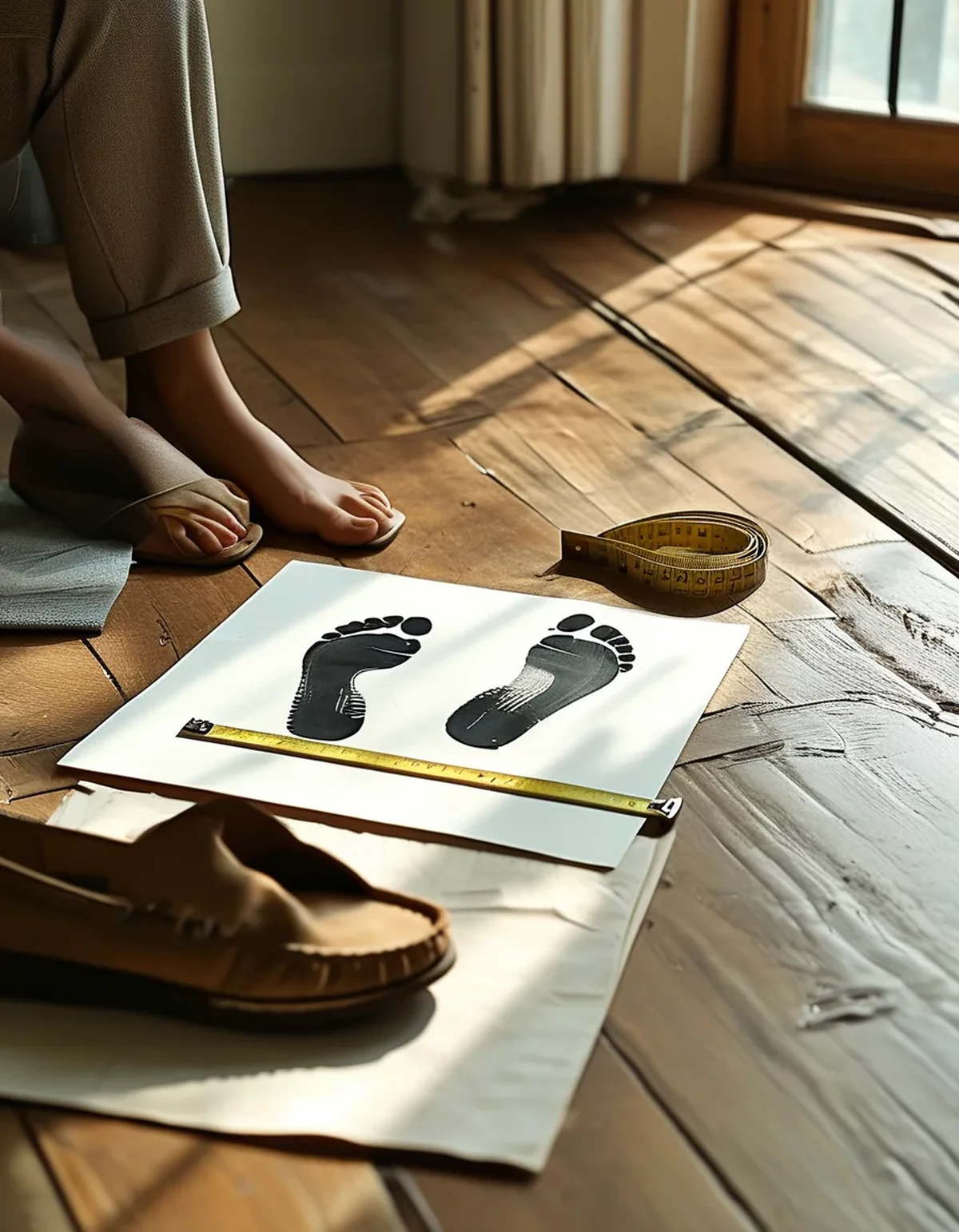
- Tape a sheet of paper to a hard floor against a wall.
- Stand with your heel touching the wall and your full body weight on that foot. Sitting down changes the measurement by several millimetres because the foot spreads under load.
- Have someone mark the tip of your longest toe - which is not always the big toe - holding the pen vertically.
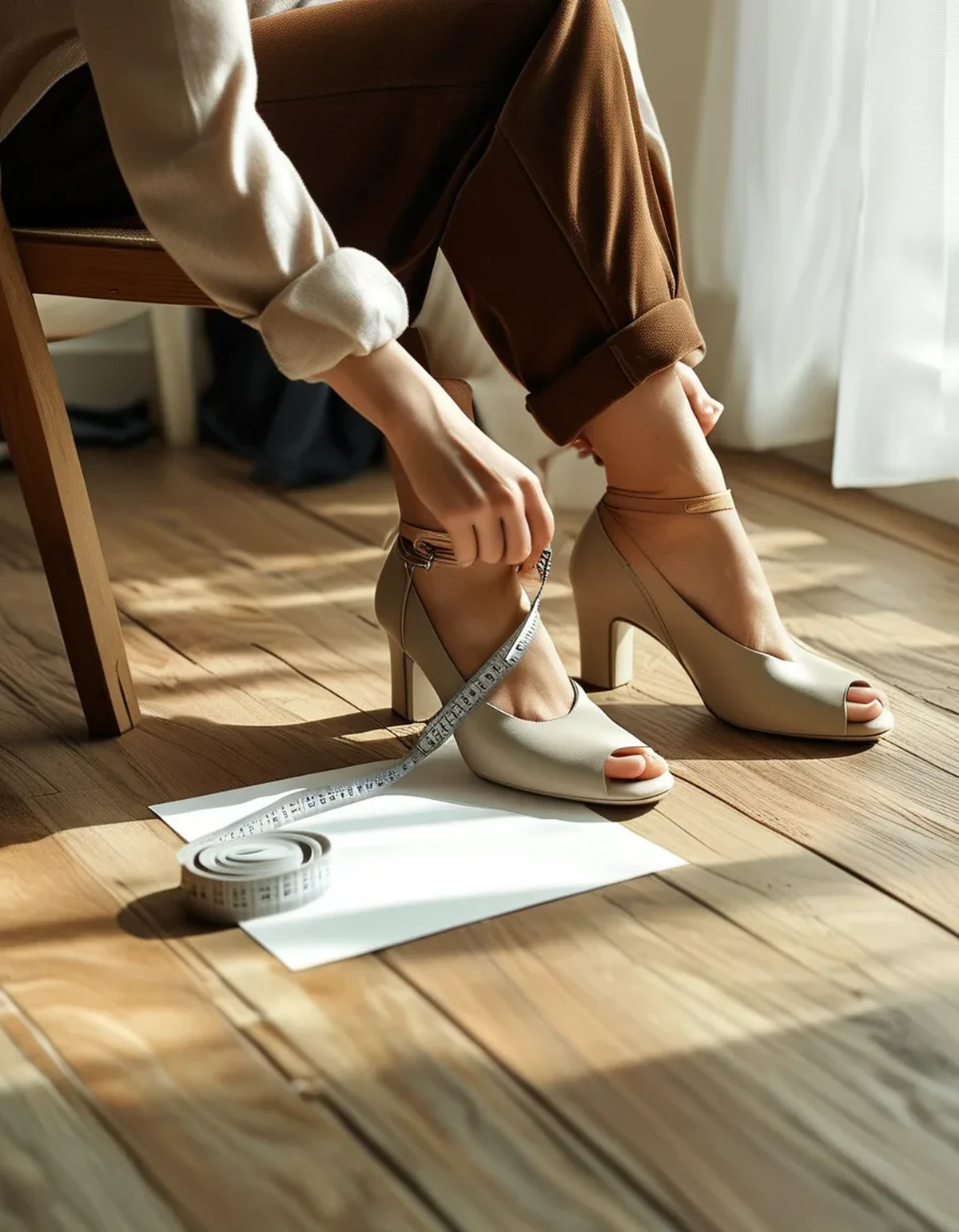
- Measure heel to mark. Repeat for the other foot.
- Measure the widest part of each foot the same way.
Most people find one foot is 3 to 6mm longer. Always size to the longer foot. Then add 10 to 12mm to that number for the internal length you are shopping for. That gap is not waste - it is the room your foot needs to lengthen as it flattens with each step, and it is why a shoe that fits perfectly at rest is too small in motion.
Myth vs Fact: Barefoot Shoe Sizing
Myth: Barefoot shoes should feel snug so your foot does not slide. Fact: Length room and heel hold are separate problems. You want 10 to 12mm in front of the toes and a heel that grips. If your foot slides forward, the fix is the lacing or the heel cup, not less length.
Myth: They will stretch to fit. Fact: Leather models stretch a little across the width and almost nothing in length. If it is short, it stays short.
Myth: Your feet get bigger in barefoot shoes, so buy extra. Fact: Feet do often spread over the first year, but that is width, not length. Buy correctly for now and expect to need a wider model, not a longer one, later.
Myth: A wide toe box means you can size down. Fact: Width and length are independent. A wide shoe that is too short still jams your toes into the front wall - it just does it more comfortably at the sides while it happens.
Myth: Kids can be sized the same way with a bit extra. Fact: Children need more growth room, but the same weight-bearing trace applies and matters more, because they will not tell you the shoe is short.
What does a correct fit actually feel like?
It feels roomier than you expect and slightly odd for the first week. Specifically:
- You can wiggle and splay every toe with the shoe fully laced and standing up.
- Your longest toe does not touch the front when you walk downhill or down stairs, which is the real test - that is when the foot slides forward most.
- The heel does not lift more than a few millimetres when you walk.
- There is no pressure line across the ball of the foot after 30 minutes.
The most useful in-home check is the insole test. Pull the insole out, put it on the floor, and stand on it. Your foot should sit inside the outline with visible space at the front and no toe hanging over the edge at the sides. If your foot overhangs the insole anywhere, the shoe is wrong regardless of how it feels laced up.
If you are between sizes, go up. Excess length is manageable with a thicker sock or a lacing change. Insufficient length is not manageable at all.
FAQ: Barefoot Shoe Fit Questions, Answered
How much toe room should barefoot shoes have?
Aim for 10 to 12mm between your longest toe and the inside front of the shoe, measured with weight on the foot. Less than that and your toes hit the front on descents.
Should I size up in barefoot shoes?
Compared with your regular trainer size, usually yes - half to a full size. But do not size up blindly. Measure your foot in millimetres and buy to the brand’s internal length chart, because that number is the only one that means the same thing across brands.
My barefoot shoes fit but my toes go numb. What is wrong?
Numbness is usually width or lacing pressure across the top of the foot rather than length. Loosen the forefoot lacing, check whether your foot overhangs the insole at the widest point, and if it persists or comes with pain, see a podiatrist. This is general information, not medical advice.
TL;DR:
- Trace both feet standing up, in the evening, and size to the longer foot.
- Add 10 to 12mm to your longest measurement and shop by internal length in millimetres, not by size number.
- The insole test at home catches most sizing errors in ten seconds.
- Feet spread in width over time, not length - so plan for a wider model later, not a longer one.
Getting this right is unglamorous and it is also the single biggest factor in whether the transition to barefoot shoes works. A correctly sized pair feels slightly too big for a week and then feels like nothing at all, which is exactly the point.
Keep Reading
This article is for general informational purposes only and is not medical advice. Always consult a qualified health professional for guidance specific to you.