Is Calf Soreness Normal When You Switch to Barefoot Shoes? Here's the Real Answer
Quick Answer: Mild to moderate calf soreness in the first 2-4 weeks of switching to barefoot shoes is a normal, expected response to increased ankle range of motion and calf engagement — but sharp pain, soreness that worsens rather than improves, or Achilles pain specifically are signs to slow the transition down. This is general information, not medical advice.
Barefoot shoes remove the elevated heel that most conventional shoes have relied on for decades, and that single change asks your calves to do noticeably more work than they’re used to — which is exactly why new soreness is common, and usually not a red flag.

Why do barefoot shoes specifically cause calf soreness that other shoes don’t?
Conventional shoes typically have a raised heel (heel-to-toe drop) that shortens the calf muscles’ working range, and switching to a zero-drop barefoot shoe suddenly asks the calf and Achilles tendon to work through a much greater range of motion than they’ve adapted to. This is essentially a new training stimulus for muscles that haven’t been challenged that way, which produces normal, exercise-related soreness.
How much soreness is considered a normal part of the transition?
Mild, dull soreness that peaks 24-48 hours after wear and gradually improves over 2-4 weeks of gradual use fits the typical adaptation pattern. This soreness should trend downward over successive weeks, not stay constant or worsen — a soreness pattern that keeps getting worse rather than improving is the signal something needs adjusting.
What’s the safest way to actually transition into barefoot shoes?
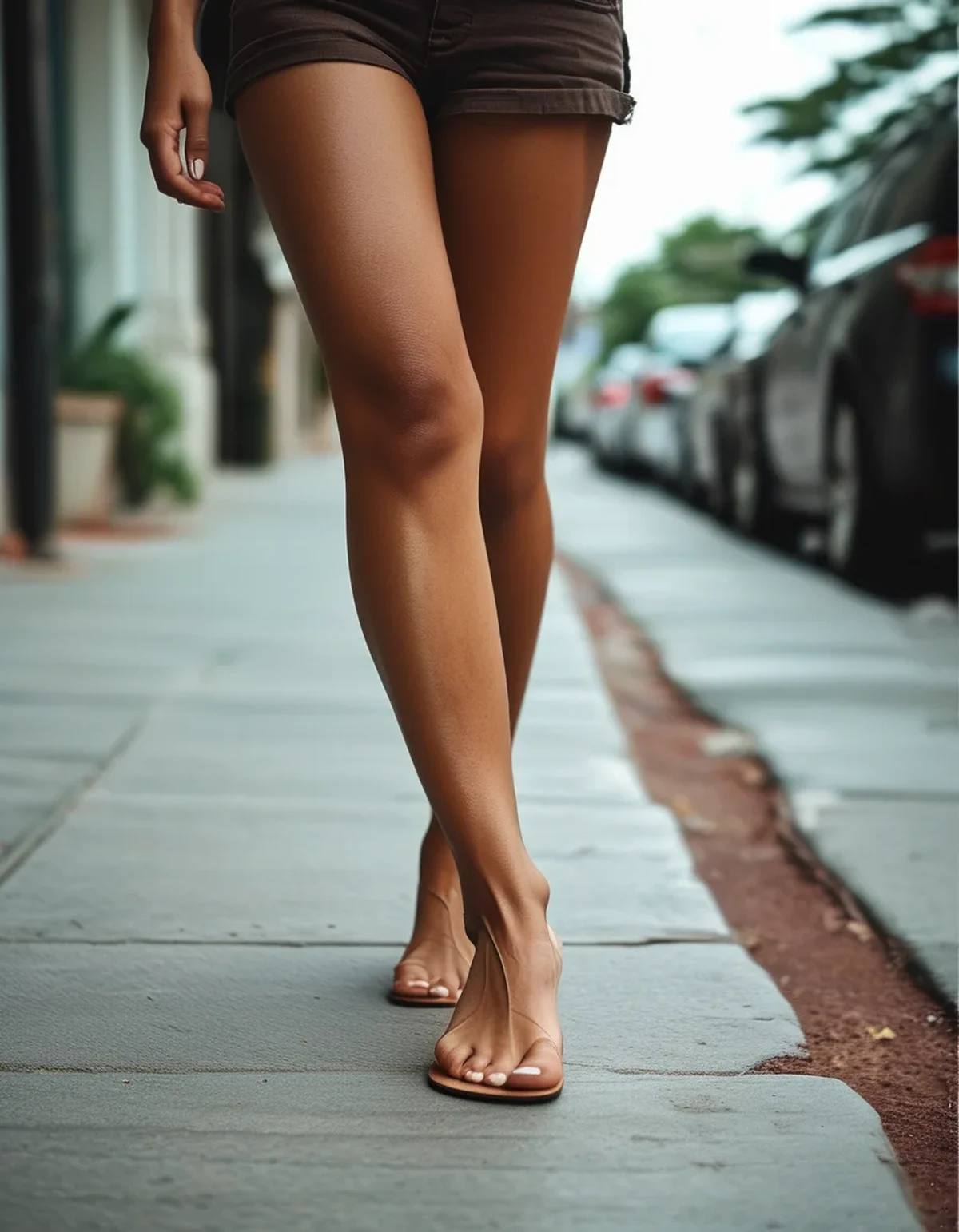
Gradual, limited wear — starting with 20-30 minutes a day and increasing slowly over several weeks — rather than switching to barefoot shoes for all-day wear immediately, gives the calves and Achilles tendon time to adapt at a manageable pace. Rushing the transition is the most common cause of soreness that crosses from normal adaptation into overuse injury territory.
Myth vs Fact: Barefoot Shoe Calf Soreness
Myth: Calf soreness means barefoot shoes aren’t right for you. Fact: Mild, improving soreness is a normal adaptation response for most people — it doesn’t necessarily mean barefoot shoes are a poor fit long-term.
Myth: You should push through any level of soreness to build tolerance faster. Fact: Sharp pain or soreness that worsens is a sign to reduce wear time, not push through — this distinction matters for preventing actual injury like Achilles tendinitis.
FAQ: Barefoot Shoe Calf Soreness, Answered
How long does the adaptation period typically last?
Most people report noticeable improvement within 3-4 weeks of gradual, consistent wear, though full adaptation to all-day barefoot shoe use can take longer for some.
Should I stretch my calves more during this transition?
Gentle calf stretching can help with comfort, but the primary fix is a gradual wear-time increase — stretching alone doesn’t replace the need for progressive loading.
When does calf or Achilles soreness need a professional opinion instead of just patience?
If pain is sharp, localized to the Achilles tendon specifically, or doesn’t improve after several weeks of reduced wear, that’s a signal to see a physical therapist rather than continuing to push through on your own.
TL;DR:
- Zero-drop barefoot shoes ask the calves to work through a much greater range than most people are used to
- Mild soreness that peaks at 24-48 hours and improves over weeks is a normal adaptation pattern
- Gradual wear-time increases prevent the transition from tipping into overuse injury
- Sharp or worsening pain, especially in the Achilles, warrants professional evaluation
This is general information, not medical advice — see a physical therapist if soreness is sharp, localized to the Achilles, or doesn’t improve with a slower transition.
Keep Reading
This article is for general informational purposes only and is not medical advice. Always consult a qualified health professional for guidance specific to you.