The Barefoot Shoe Foot Pain Timeline Nobody Tells You About Before You Buy
Quick Answer: Mild foot, calf, and arch discomfort in the first 2-4 weeks of barefoot shoe transition is a normal adaptation response as underused foot muscles activate — sharp pain, numbness, or discomfort that worsens past week 4 instead of improving is not normal and means you’re progressing too fast.
You bought barefoot shoes expecting your feet to feel more free, and instead your arches ache and your calves are sore in a way regular shoes never caused. Before assuming something’s wrong, it helps to know what’s actually a normal part of the process.

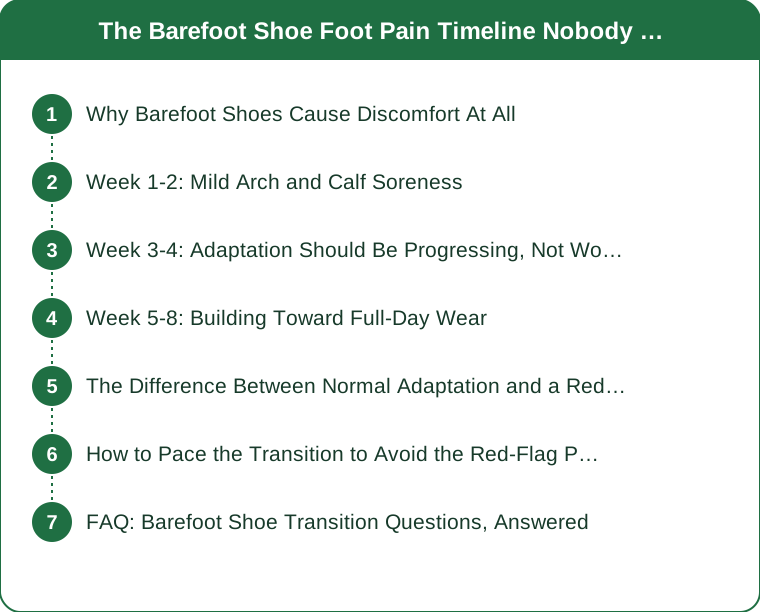
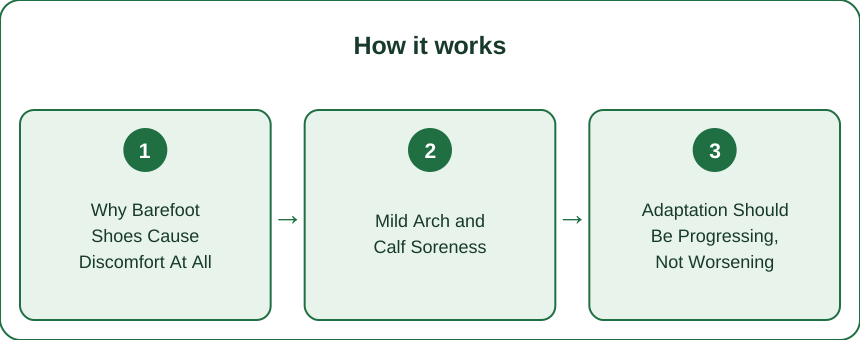
Why Barefoot Shoes Cause Discomfort At All
Traditional cushioned shoes with arch support do a lot of structural work that your foot’s own muscles would otherwise handle — years of that support means many people’s intrinsic foot muscles are genuinely under-conditioned. Barefoot shoes remove that external support, and the resulting discomfort is largely those muscles waking up and starting to work again.
Week 1-2: Mild Arch and Calf Soreness
This early stage typically involves a mild, muscle-soreness-like ache in the arches and calves, especially after longer walks — this pattern mirrors starting any new muscle-building activity and generally fades within a day or two after each wearing, similar to typical workout soreness.
Week 3-4: Adaptation Should Be Progressing, Not Worsening
By this point, most people notice the soreness fading faster after each wear and needing less recovery time between wears. If discomfort is instead getting worse or staying constant through week 4, that’s a signal to slow down the transition pace, not push through it.

Week 5-8: Building Toward Full-Day Wear
Many people can comfortably transition to longer daily wear by this stage, though full adaptation for regular walking or running in barefoot shoes often takes 2-3 months total for those coming from years in heavily cushioned, supportive footwear.
The Difference Between Normal Adaptation and a Red Flag
Normal: muscle-soreness-type ache that fades within a day or two, improves week over week. Not normal: sharp, localized pain (especially in a specific spot rather than generally across the foot), numbness or tingling, or pain that persists or worsens after 3-4 weeks — these warrant seeing a podiatrist rather than continuing the transition.
How to Pace the Transition to Avoid the Red-Flag Pattern
Start with short wear periods (30-60 minutes) on soft, forgiving surfaces, and increase duration by no more than 10-15% per week rather than jumping straight to all-day wear or running. This gradual pacing is the single biggest factor separating a smooth adaptation from an injury.
FAQ: Barefoot Shoe Transition Questions, Answered
Is it normal to need arch support again occasionally during transition?
Some people find alternating between barefoot and their old supportive shoes during the transition period reduces overuse risk — this isn’t a failure of the transition, just a reasonable pacing strategy.
Should I do foot-strengthening exercises alongside the shoe transition?
Yes — toe spreads, calf raises, and short foot exercises (scrunching the arch without curling toes) accelerate the muscle adaptation the shoes are asking your feet to do.
How do I know if I’m progressing too fast?
If soreness after each wear isn’t decreasing week over week, or new sharp pain appears, that’s the clearest sign to slow the pace down rather than push through.
TL;DR:
- Mild arch/calf soreness in weeks 1-2 is a normal muscle-adaptation response
- By weeks 3-4, discomfort should be fading faster, not staying constant or worsening
- Full adaptation for regular use often takes 2-3 months for most people
- Sharp, localized, or worsening pain past week 4 is a red flag — see a podiatrist
- Increase wear time by no more than 10-15% per week to pace it safely
Some discomfort during a barefoot shoe transition is expected and even a sign the shoes are doing their job — the key is tracking whether that discomfort is improving on a normal timeline or quietly turning into an overuse injury.
Keep Reading
This article is for general informational purposes only and is not medical advice. Always consult a qualified health professional for guidance specific to you.