Barefoot Shoes in Cold Weather: What Actually Changes When the Temperature Drops
Quick Answer: Barefoot shoes get cold mainly through the sole, not the upper - a 4mm outsole conducts ground temperature almost directly to your foot. The fixes in order of effectiveness are a thin wool sock, a removable thermal insole that does not fill the toe box, keeping your feet moving rather than standing still, and sizing up half a size in autumn so a thicker sock does not compress the foot. Cold feet in minimal shoes are usually a circulation and fit problem, not a shoe failure.
Most people size their barefoot shoes in summer, wear them barefoot, and then wonder why they are miserable in October.
Why do barefoot shoes feel so much colder than normal trainers?
Conduction through the sole, and it is a bigger factor than the thin upper.
A conventional trainer puts 20 to 30mm of foam between your foot and the ground. Foam is full of air, and air is a poor conductor - that stack is effectively an insulating layer. A barefoot shoe has 3 to 7mm of solid rubber, which conducts heat away from your foot efficiently. Stand on cold wet pavement and your foot loses heat to the pavement continuously.
The upper matters less than people assume. Most heat loss when standing still goes downward into the ground; the upper matters more in wind and rain.
Two other factors compound it:
- Less foot compression means more blood flow, but also more exposed surface in contact with a cold surface.
- A foot that is not working stays cold. Minimal shoes make your foot muscles do more when you walk, which generates heat - but only when you are actually moving. Standing at a bus stop in barefoot shoes is genuinely colder than standing in trainers.
What actually fixes it?
In order of how much difference each one makes for the effort involved.
1. A proper wool sock. Merino, thin to mid weight, ideally with some toe room. Wool insulates when damp, which cotton does not - a damp cotton sock is worse than no sock at all in cold weather. This single change fixes the problem for most people down to around 5°C.
2. A thin thermal insole. Wool felt or a thin foam insole adds a conduction break at the sole, which is where the heat is going. The catch: most insoles are cut for tapered shoes and shaped for arch support, which undoes the reason you are wearing minimal shoes. Look for flat, unshaped wool insoles, and accept that you lose some ground feel. Many people run these from November to March and take them out in spring.
3. Keep moving. Foot muscle activity generates real heat. On a cold day, a ten-minute walk warms your feet more than any amount of standing in warmer shoes.
4. Size for socks. If your shoes fit perfectly barefoot, they are too small with a wool sock, and a compressed foot has worse circulation - which is the actual cause of cold toes. Many barefoot brands recommend half a size up for winter use, and having a dedicated cold-weather pair is common among long-term wearers.
5. Waterproofing. Wet feet get cold at a completely different rate. A shoe with a water-resistant upper, or simply avoiding the deepest puddles, matters more than insulation.
Should you go back to cushioned shoes for winter?
Not usually, but the honest answer depends on where you live and what your day looks like.
Stay minimal if: you walk regularly, temperatures stay above roughly freezing, and you can add socks and an insole. This covers most temperate autumn and winter conditions.
Add a winter-specific minimal boot if: it is properly cold, wet, or snowy. Several brands make insulated minimal boots with a wider toe box, a flexible sole, and zero drop, plus a warmer lining and a water-resistant upper. They cost more, and for a cold climate they are the right answer.
Consider a break if: you have Raynaud’s, diabetes, peripheral neuropathy, or any condition affecting circulation or sensation in your feet. Reduced sensation plus a thin sole is a genuinely poor combination in cold weather - you may not notice a problem developing. Talk to a professional about what is appropriate for you.
A practical middle path that many long-term minimal wearers use: minimal shoes for everything you actively walk in, something warmer for standing around - the sideline of a match, a market, a train platform. The activity, not the temperature, is what decides it.
What Nobody Tells You About the First Cold Season
Your transition can stall in autumn, and it is not a coincidence. Cold muscles are stiffer, and a foot still adapting to minimal shoes is doing more work than it used to. Several people who transitioned happily over summer hit unexpected calf and arch soreness in the first cold weeks. Reduce the mileage rather than pushing through, and warm the foot up before a long walk.
Ground feel changes when the ground is cold and hard. Frozen ground has no give at all, and the same route feels harsher in January than in July. Your foot has to absorb more, so easing back on distance in the coldest weeks is reasonable rather than a failure.
Wet leaves are more slippery than ice on a smooth minimal outsole. Autumn is the season with the most slip risk, not winter. If your outsole is a smooth flat rubber, check the tread pattern before wet-leaf season, because many minimal shoes are made for dry ground.
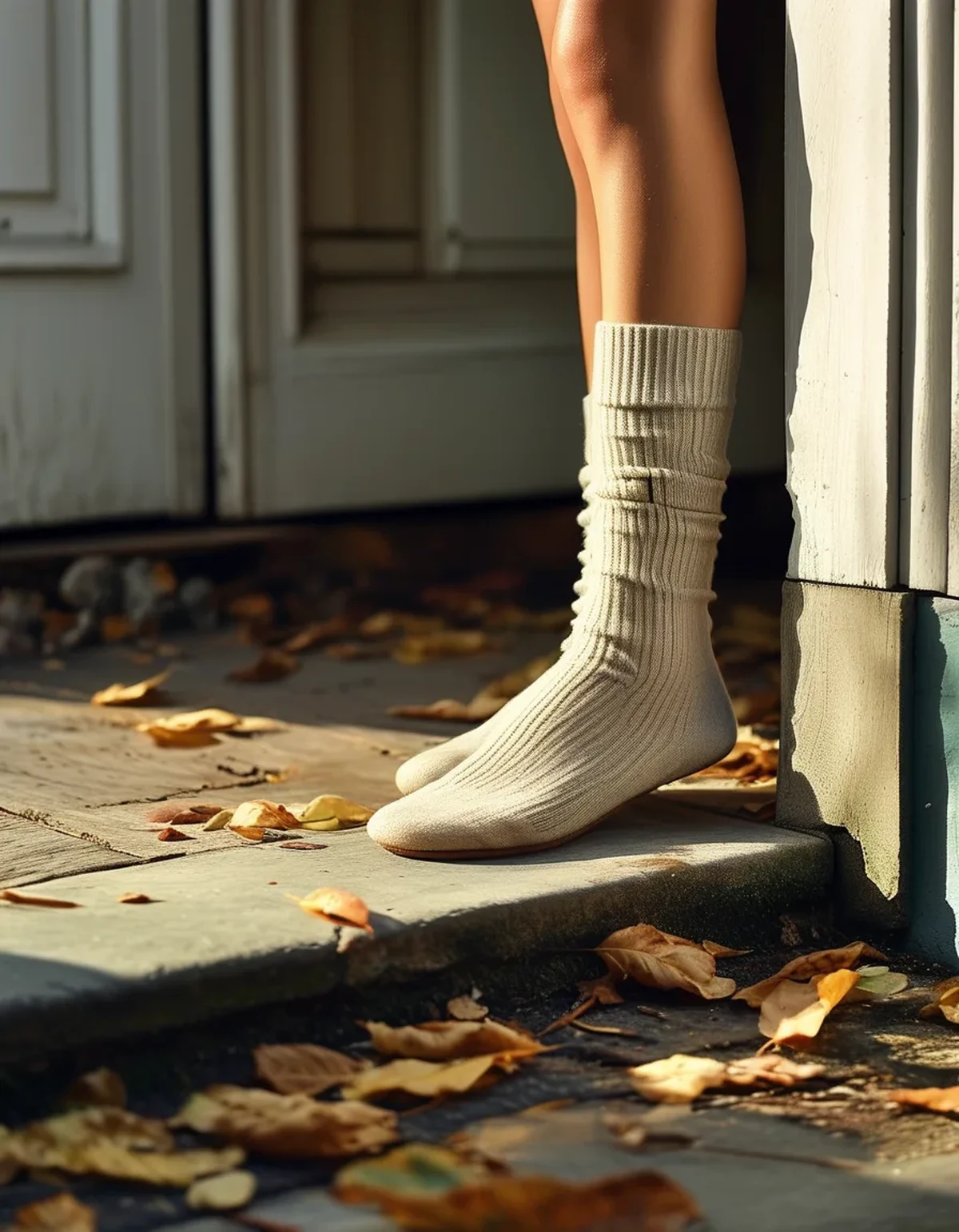
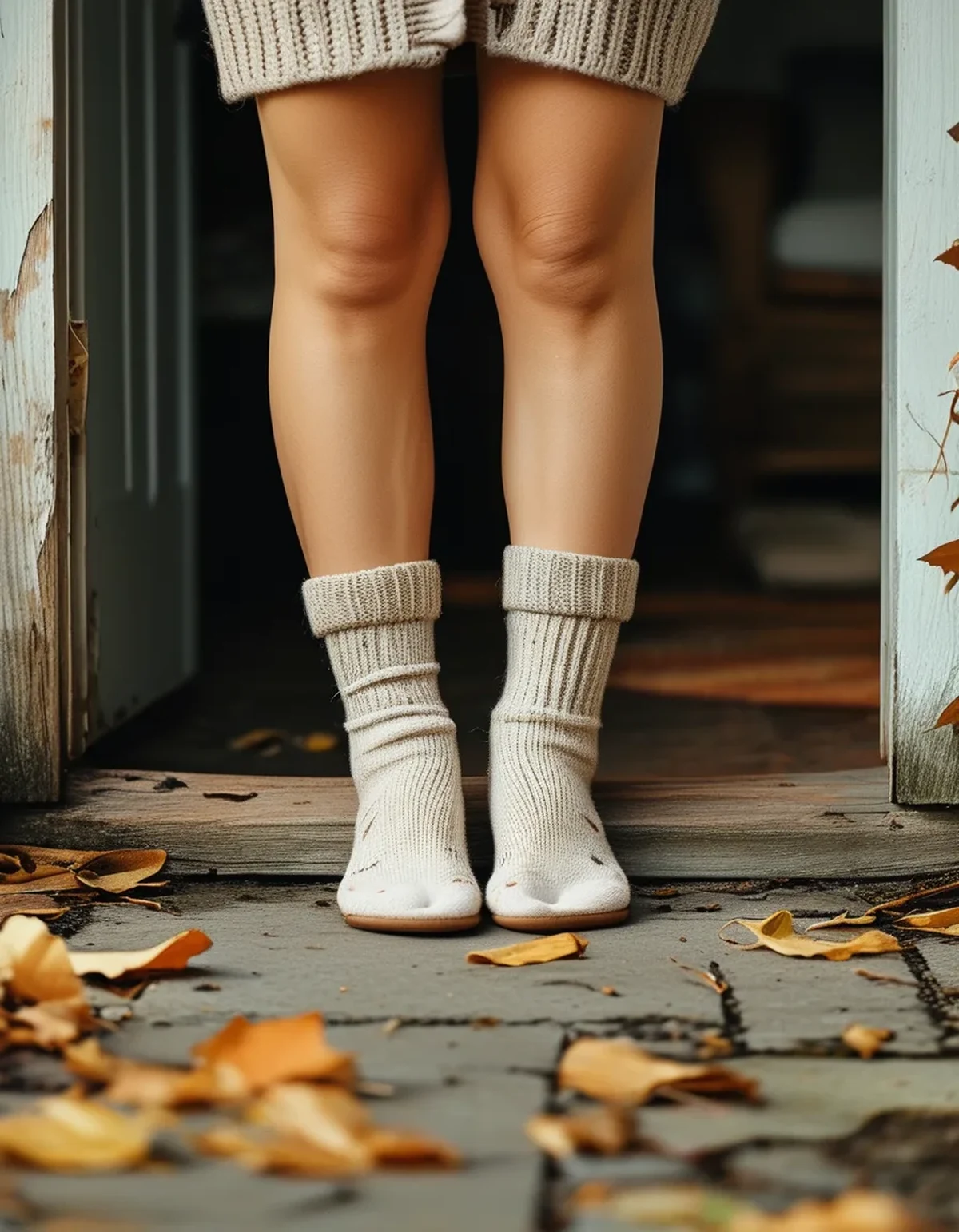
Wool socks change your fit by roughly half a size. People notice their toes touching the end and conclude their shoes have shrunk or their feet have spread. Usually it is the sock.
Your feet may actually be warmer than you expect once you adapt. A well-fitted minimal shoe does not compress the foot, and uncompressed feet have better circulation than feet squeezed into a narrow tapered toe box. Plenty of long-term wearers report warmer feet in winter than they had in conventional shoes - after the first season.
FAQ: Barefoot Shoes in Cold Weather, Answered
How cold is too cold for barefoot shoes?
With a wool sock and a thin insole, most people are comfortable walking down to around freezing. Below that, or for extended standing, an insulated minimal boot is a better tool than a summer shoe with more socks.
Do two pairs of socks help?
Usually not, in a shoe fitted for one. Two pairs compress the foot, reduce circulation, and make things colder. One thicker wool sock in a slightly larger shoe works far better.
Will an insole ruin the point of barefoot shoes?
A flat unshaped wool insole reduces ground feel a little but keeps the zero drop and the wide toe box, which are the main benefits. An arch-supporting orthotic insole is a different matter and does undo most of it.
Are waterproof membranes worth it?
In a wet climate, yes. They reduce breathability slightly, which matters more in summer than winter. Dry feet stay considerably warmer than insulated wet ones.
My toes go numb in the cold even indoors - is that the shoes?
Probably not. Persistent numbness or colour changes in the toes are worth having looked at, since they can indicate a circulation issue. This is general information, not medical advice.
TL;DR:
- Cold in minimal shoes comes mostly through the sole by conduction, not through the upper
- One good merino sock fixes most of it; two thin socks make it worse by compressing the foot
- A flat wool insole is the second-best lever, as long as it is not arch-shaped
- Size up half a size for a winter pair - a squeezed foot is a cold foot
- Movement generates the heat; standing still is what actually makes feet cold
Autumn is where a lot of barefoot transitions quietly fall apart, almost always because the summer fit no longer works with a sock. Sort the sock and the sizing before the weather turns properly, and the cold season is far less of an obstacle than it looks from the doorstep.
Keep Reading
This article is for general informational purposes only and is not medical advice. Always consult a qualified health professional for guidance specific to you.