The Barefoot Edit: Stronger Feet, Natural Stride
Feet contain a quarter of the body’s bones and a muscle system modern shoes have politely put to sleep — the barefoot-training movement’s whole thesis is waking it up. The case, the caution and the transition that works. (Health info; individual feet vary — pros exist.)
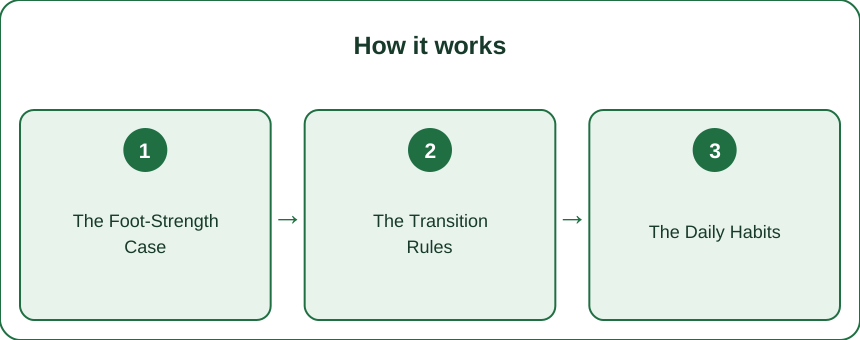
The Foot-Strength Case
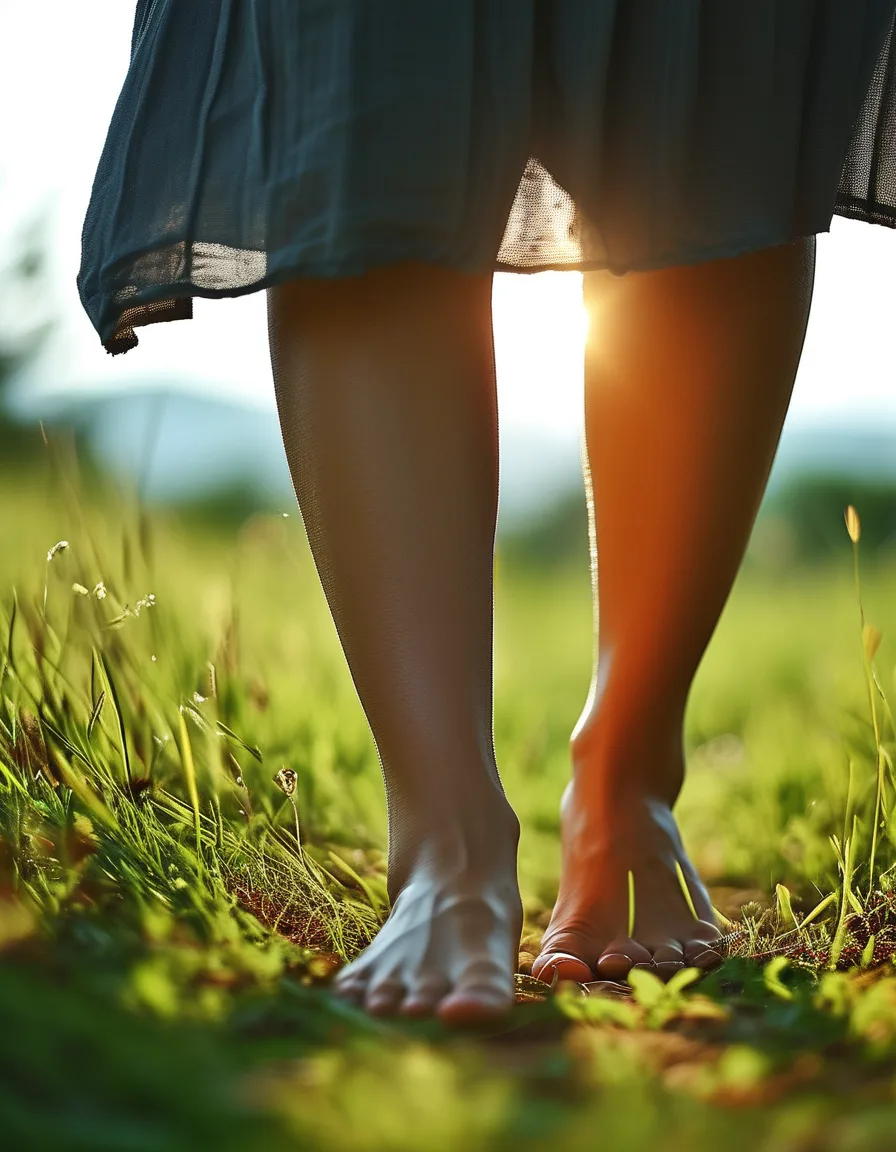
The argument: cushioned supportive shoes do the foot’s job FOR it (arch support replacing arch muscles, stiff soles replacing toe function), and disused muscles weaken — while barefoot-style training re-engages the foot’s intrinsic muscles, with research showing measurable foot-muscle growth from minimalist transition and barefoot exercise. Strong feet upstream support balance, ankle stability and stride mechanics downstream — the grip-sock and balance-training worlds’ shared foundation.
The Transition Rules
Where enthusiasm meets injury: the number-one barefoot mistake is speed — feet adapted to decades of support need MONTHS, not weeks (the transition-too-fast stress injuries are the movement’s best-documented downside). The protocol: barefoot time at home first (weeks of it — the free tier), then minimalist shoes for WALKING only (short distances, building gradually), then training in them (strength sessions before cardio), and running last if at all (a many-month journey with its own careful literature — and entirely optional; barefoot STRENGTH doesn’t require barefoot running).
The Daily Habits
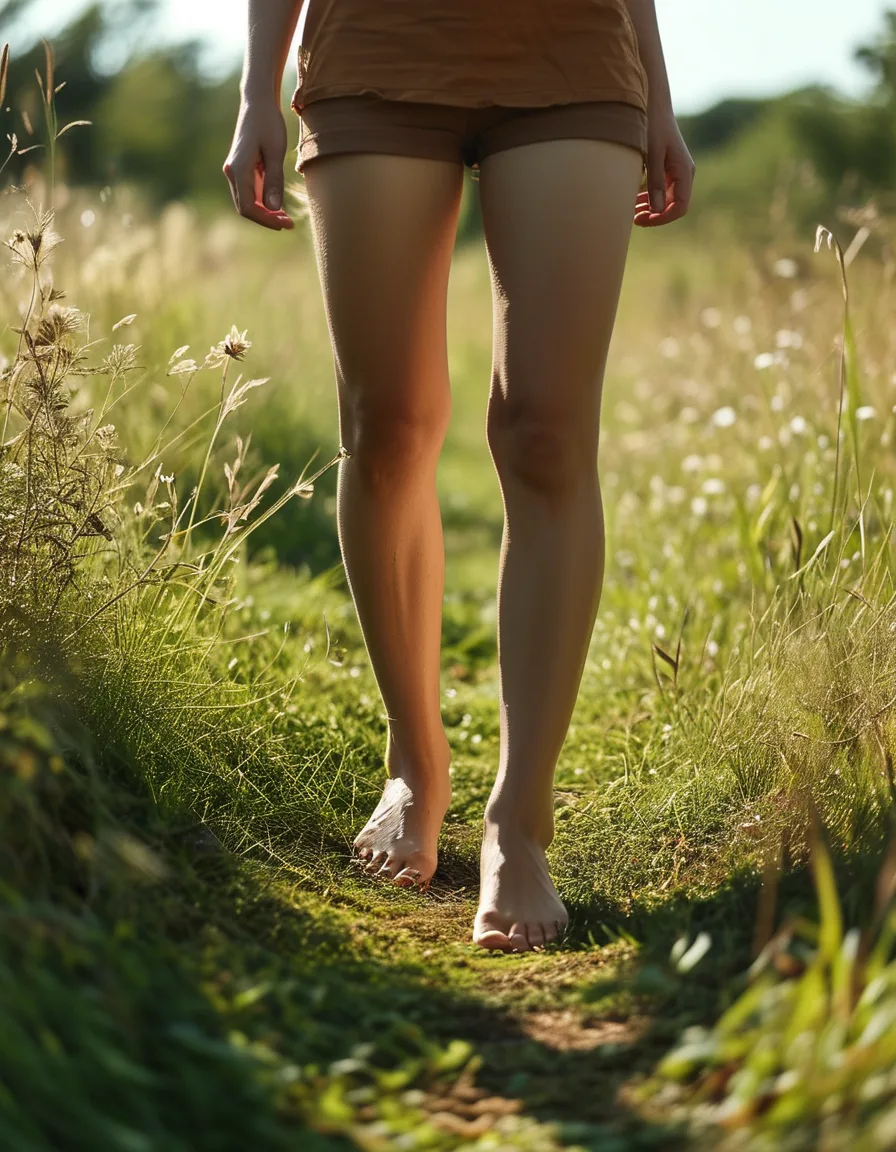
The foot gym, no equipment: barefoot home time (the default that rebuilds baseline), toe yoga (spreading, lifting the big toe alone — comedy at first, mobility later), the short-foot exercise (doming the arch without curling toes — the physio classic), calf raises barefoot with slow lowers, and textured-surface walking (grass, sand, smooth stones — the sensory diet feet evolved expecting; the beach walk is elite foot training disguised as vacation). Five minutes daily outperforms occasional heroics — tissue adaptation runs on frequency.
The Footwear Spectrum
The practical middle path: barefoot living isn’t binary — the spectrum runs from wide-toe-box conventional shoes (the gateway: toes allowed to splay) through low-drop cushioned to true minimalist, and mixing is legal (minimalist for walks and lifting — the flat-stable-shoe lifting crossover; cushioned for long runs; whatever for dinner). The buying notes: wide toe box, flexible sole, low heel-to-toe drop — the three specs that define the category. The goal was never ideology; it’s feet that work — springy, strong and awake under everything else you train.
Home barefoot first, months not weeks, toes learn yoga, mix the spectrum. Barefoot training is just strength training for the floor you stand on — patient, gradual and overdue.
Keep Reading
This article is for general informational purposes only and is not medical advice. Always consult a qualified health professional for guidance specific to you.